Ahhhh blog titles… my nemesis 😒 as the content producer here at Studio Cotton, I have to write them pretty flippin’ often, and I struggle pretty flippin’ often too.
I don’t know why I find blog titles the hardest thing to write, along with email subject lines – I think it could be the pressure to write something compelling and clickable.
Because, as Studio Cotton founder Aime always says, the title of your blog article is ridonkeylessly important when it comes to driving clicks.
Aime and I both know that it’s not just a Lyzi-problem – loads of us find this cherry-on-the-top of our blog posts tricky – so she came up with NASALS: a very memorable mnemonic acronym for writing your blog titles.
It might not work for every single blog post, but it will work for most of them, and it’s really great at making your story ultra-clicky and way less tricky.
Blogging and SEO
Before we get into the hilarious acronym, I need to tell you why you should be blogging for your small business website.
I know we’re always banging on about how great blogging is for search engine optimisation (SEO), but that’s because it really is soooooo good guys, and a relatively easy win. Even just one new blog post every month or two will boost your small business website’s SEO.
Blog posts are a chance for you to add more keywords and links on your website (providing more context to Google), they keep visitors on your website for longer, aaaand Google prioritises regularly-updated websites.
It’s a no-brainer, right? It’s time to make blogging a priority for your small business website, if you haven’t already, and we’ve got plenty more blogs about blogging to help get you started.
What makes a good blog title
Ok, let’s get into the nitty-gritty of my arch-enemy – those pesky blog titles.
A good blog title needs to tick as many of these checkboxes as possible:
- Communicate value
- Build a lil buzz
- Accurately set expectations of what the blog is about
- …and who might benefit from reading it
- Provide geographical context
- Tie into what’s happening right now
But wait, wouldn’t that make bafflingly long blog title? Far too long for Google to read, let alone a human, surely?
Well, no – it’s very similar to the titles Google recommends in their official blogging guidance.
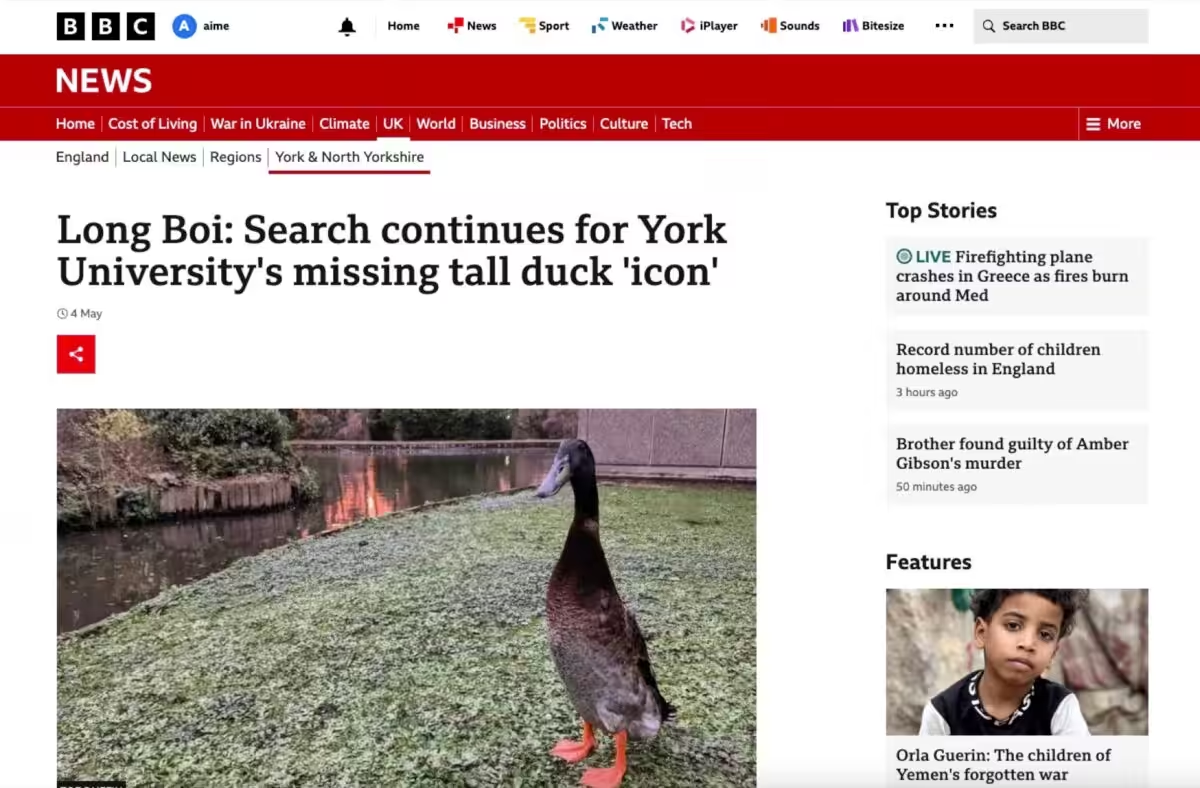
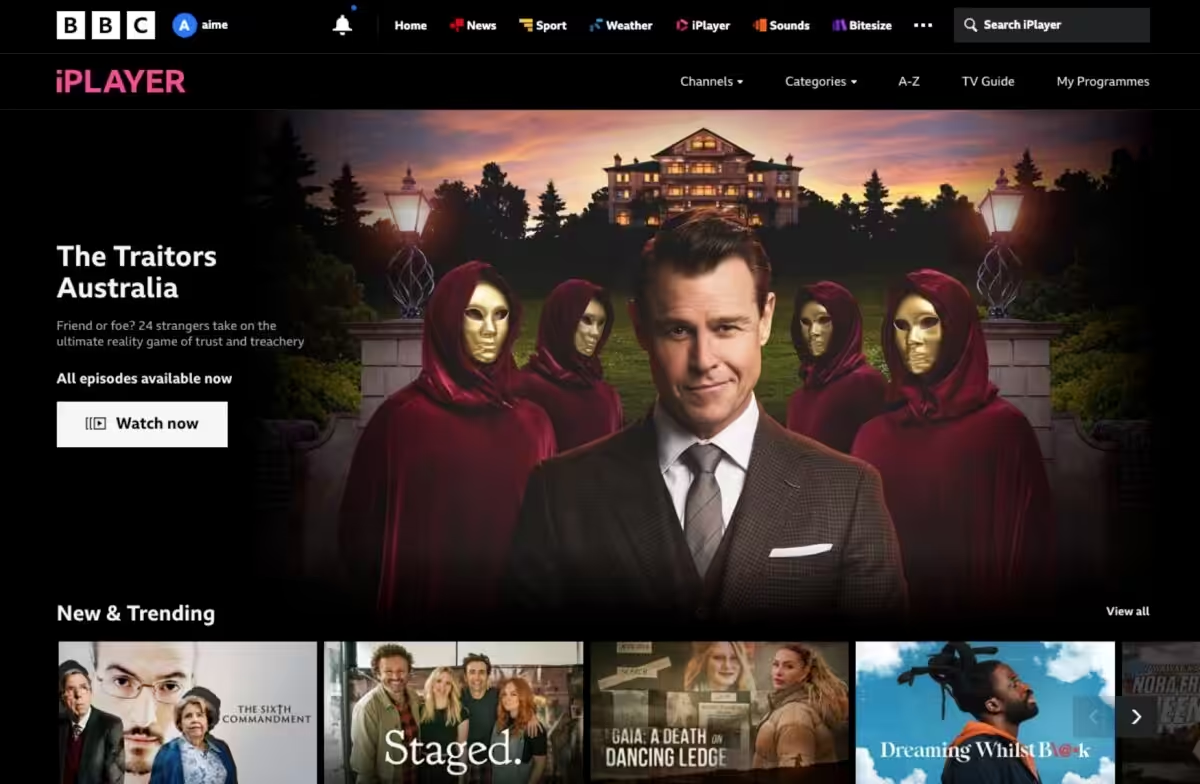
Unlike page titles and product titles, blog titles are allowed to be a lil waffly to best reflect the type of content – kinda like how the title of an article on BBC News is way longer than the title of the iPlayer page.
Ok, finally, let me tell you aaaaall about NASALS – and I’ll give you some examples too.
Our blog-title mnemonic: Number. Adjective. Subject. Audience. Location. Season.
Number
According to a study by Moz on clickable blog titles, the ones with numbers in are 15% more clickable, so whack a number in there, honey!
Numbers tick off that first quality of a good blog title: it communicates value. Think:
- Small towns to visit in Cornwall vs 10 Small towns to visit in Cornwall
- Easy things to crochet vs 6 easy things to crochet
- Tips for designing a small business website vs 8 tips for designing a small business website
Without a number, that blog post title could represent an article with just 2 small towns or 2 crochet projects or 2 website design tips. By defining the quantity of information contained inside your article, your reader can better understand what they’ll find by clicking.
This is the perfect segue for me to tell you all about listicles – the ultimate format for a numberful blog article. We love a listicle, and we already have 2 wonderfully helpful blog posts about them: 6 reasons why you should write listicles and how to write a listicle in 6 steps too.
Writing a listicle means you have the number part of NASALS covered – easy, mate.
Adjective
In relation to blog titles, these adjectives are often referred to as “power words,” because they make your blog title soooo much more powerful and intriguing and magical and just very cool.
Wouldn’t you rather click on a blog post called “5 super delicious pasta recipes” than “5 pasta recipes”? Yeah, I thought so.
Sometimes it can be a little tricky to think of the perfect adjective, so it’s worth keeping a list of your favourite adjectives, or writing them in your tone of voice document, or keeping your favourite thesaurus website open in another tab.
We also love the Power Words guide from our favourite WordPress SEO tool, RankMath.
Subject
This one is kinda obvious – the main subject matter of your blog post. You gotta tell people what the blog post is about.
To be fair, this is the part of the blog article that most small businesses and new blogger absolutely nail, so we won’t go into detail here.
Audience
There won’t always be a specific audience for your blog post, but if there is, get it in there. It’s another chance for a keyword, and helps people know if the blog post is for them.
Contrary to a lot of assumptions, specific content tends to perform better in Google results than generic content.
This is because most people want answers or solutions or results or inspiration for their specific need – and Google would much rather pair them with a lovely, specific blog article than a generic one that might kinda be applicable.
Generic articles also tend to have way more competition, which makes it harder to get your blog content to rank highly in a very crowded pack.
Back to the second of our NASALS. If there’s a blog post titled “10 things for kids to do in Bristol” I’m not going to click on it, because although I do look very young for my age, I’m actually not a kid.
However, I am a nature-lover, a food-lover, a cat-person, and a copywriter, so adding that extra degree of specificity can really target people with my shared qualities and interests. Things like:
- Discover Torbay: 5 unmissable forest walks that nature-lovers won’t want to miss
- A local’s guide to Swindon: 15 indie restaurants every food-lover needs to visit
- 6 fast-growing flowers for your front garden (and they’re all safe for cats!)
- 8 quiet cafes for blogging in Bristol
Our Studio Cotton audience is pretty much always a small business (owner), but we don’t always have that in our titles as it’s implied. I did find one though – 10 cataclysmic website security no-nos for small businesses.
Location
Adding the location into your blog post title provides additional context, both to Google and the reader.
Google loves local – which makes sense since a window cleaner in Bristol is way more likely to keep the front of our shoffice looking spiffy than one in Shepton Mallet.
Including more local-focused content on your website in general should help you to rank higher for your local customers, which is only ever going to be a good thing.
It also speaks more directly to customers, and teaches them something about your small business.
However, in our experience, ecommerce brands in particular seem to struggle with how to shoehorn in their geographic area.
Well – ya blog about it. Try popping a local spin on subject matter that is relevant to your small business:
- The most beautiful independent art shops in Bristol
- British tourist traps you might want to avoid in Bath
- The best motorway services along the M5
Ok, that last blog article would only include Gloucester Services Northbound and Gloucester Services Southbound, so might not actually be a good one to write.
Season
Mentioning the season is an optional extra, but it will give your blog post a lil seasonal SEO boost. It’s another tool we have for dialling up that specificity and more accurately matching what our customers might be searching, which means we can turn:
- Stationery picks for kids into Back to school stationery picks for kids
- 6 alternatives to roses into 6 alternatives to Valentine’s Day roses
- Party venues in South London into Festive favourite Christmas party venues in South London
As a rule of thumb, Google’s discovery, crawling and indexing phase takes about 6 weeks, although this is often quicker for busier (more regularly updated) websites.
We’d recommend you publish that juicy seasonal content 6-8 weeks before you want that SEO payoff – but bear in mind that if it’s a Christmas gifting blog post for example, you want to post it 6-8 weeks before people start their Christmas shopping, not 6-8 weeks before Christmas Day.
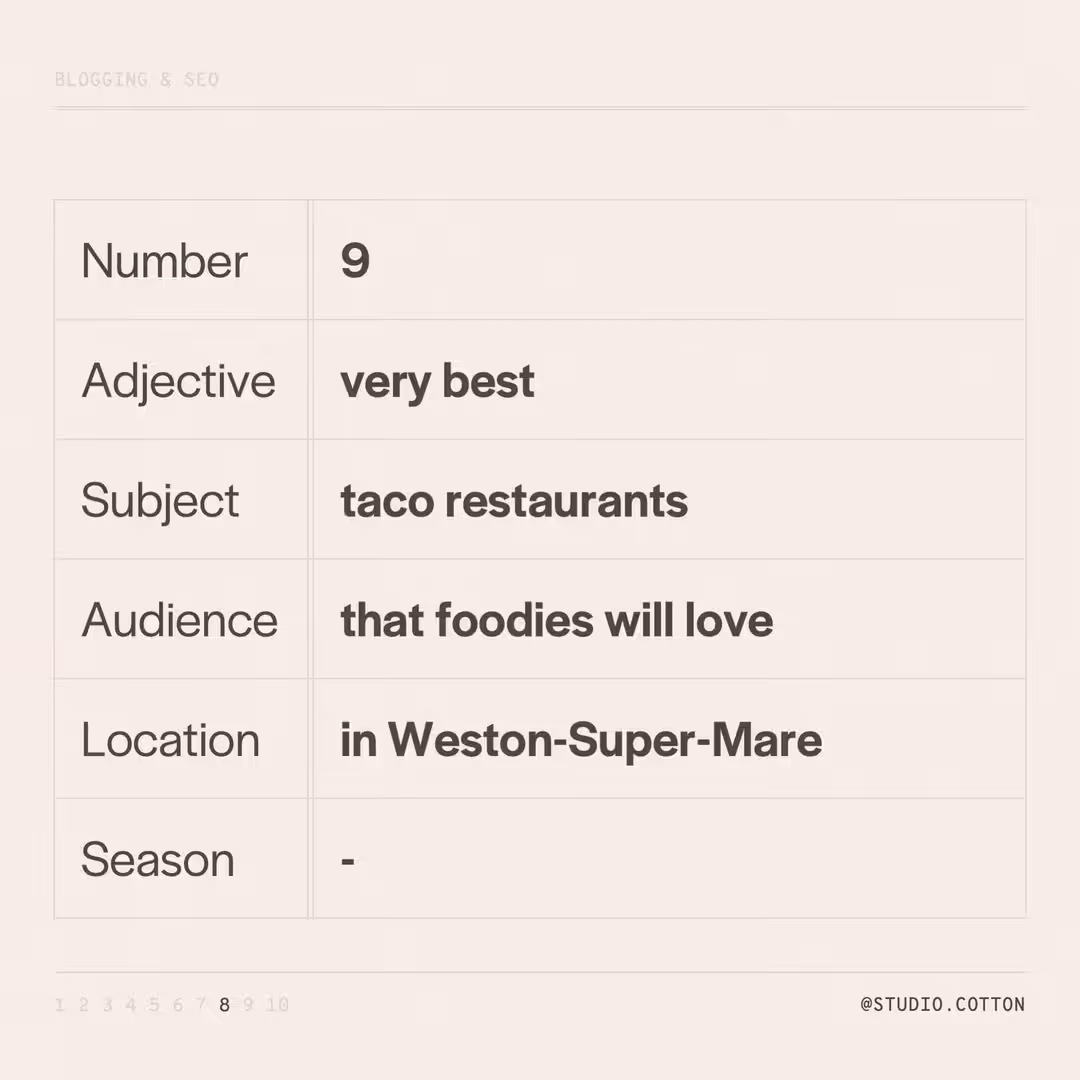
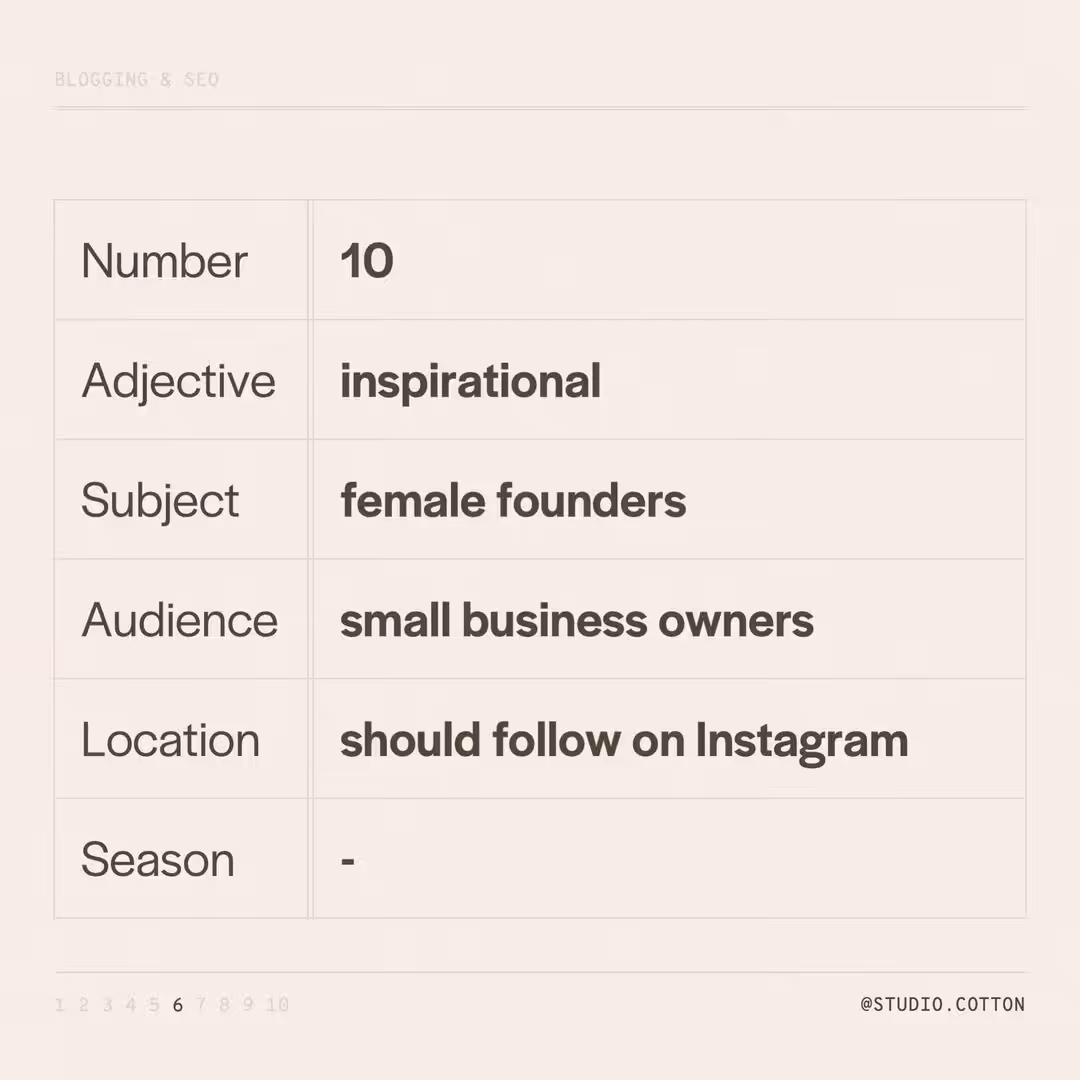
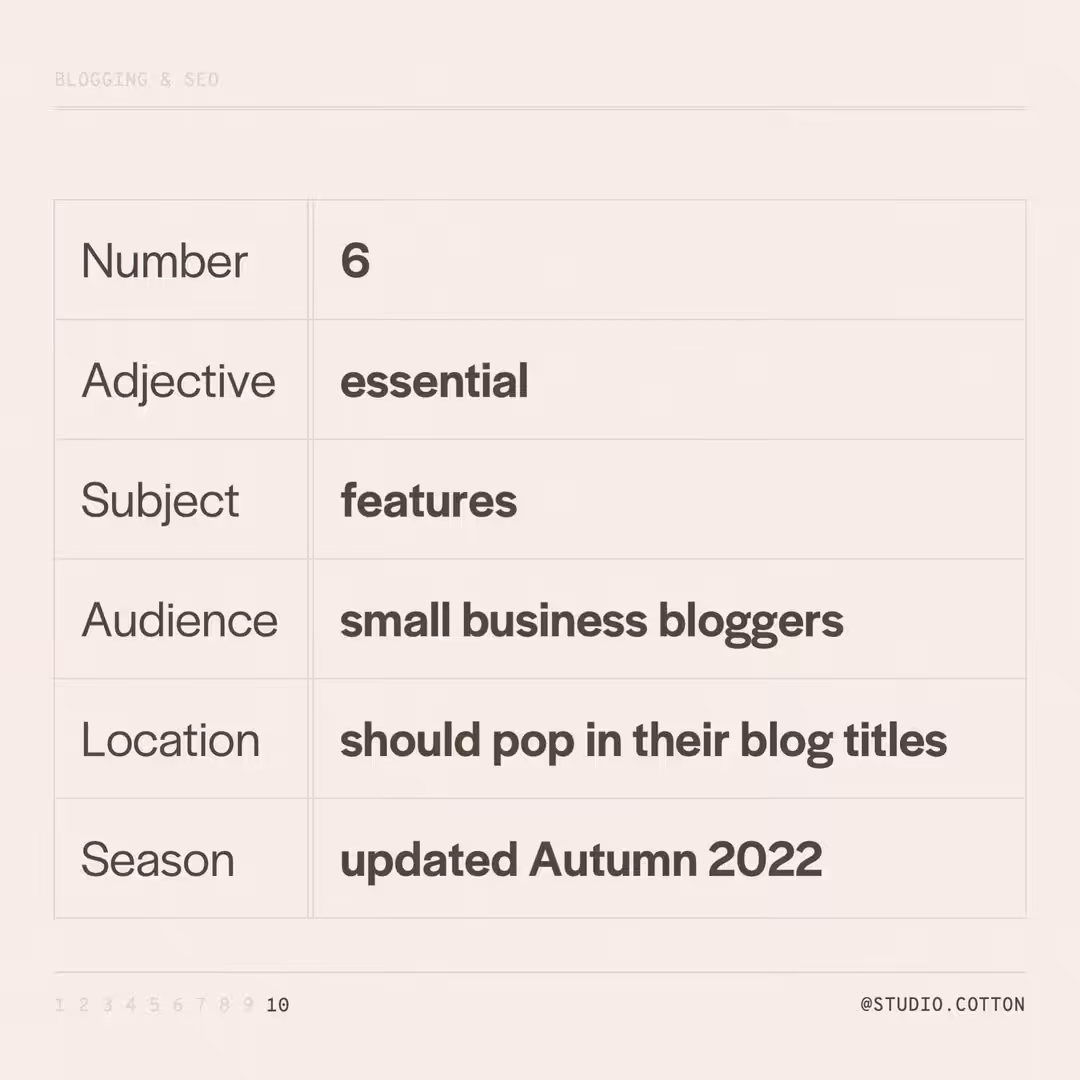
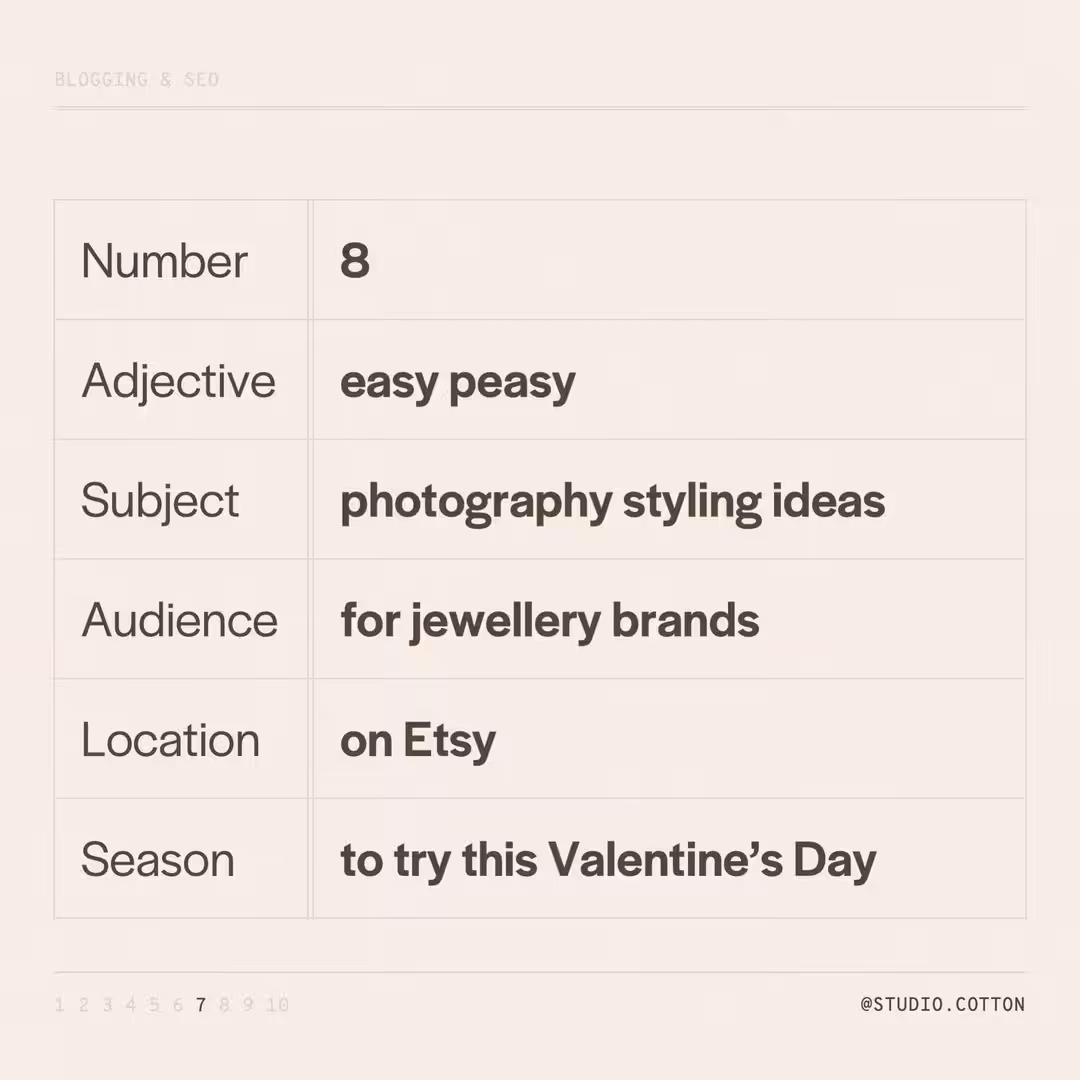
Now here’s some examples of NASALSed good blog titles
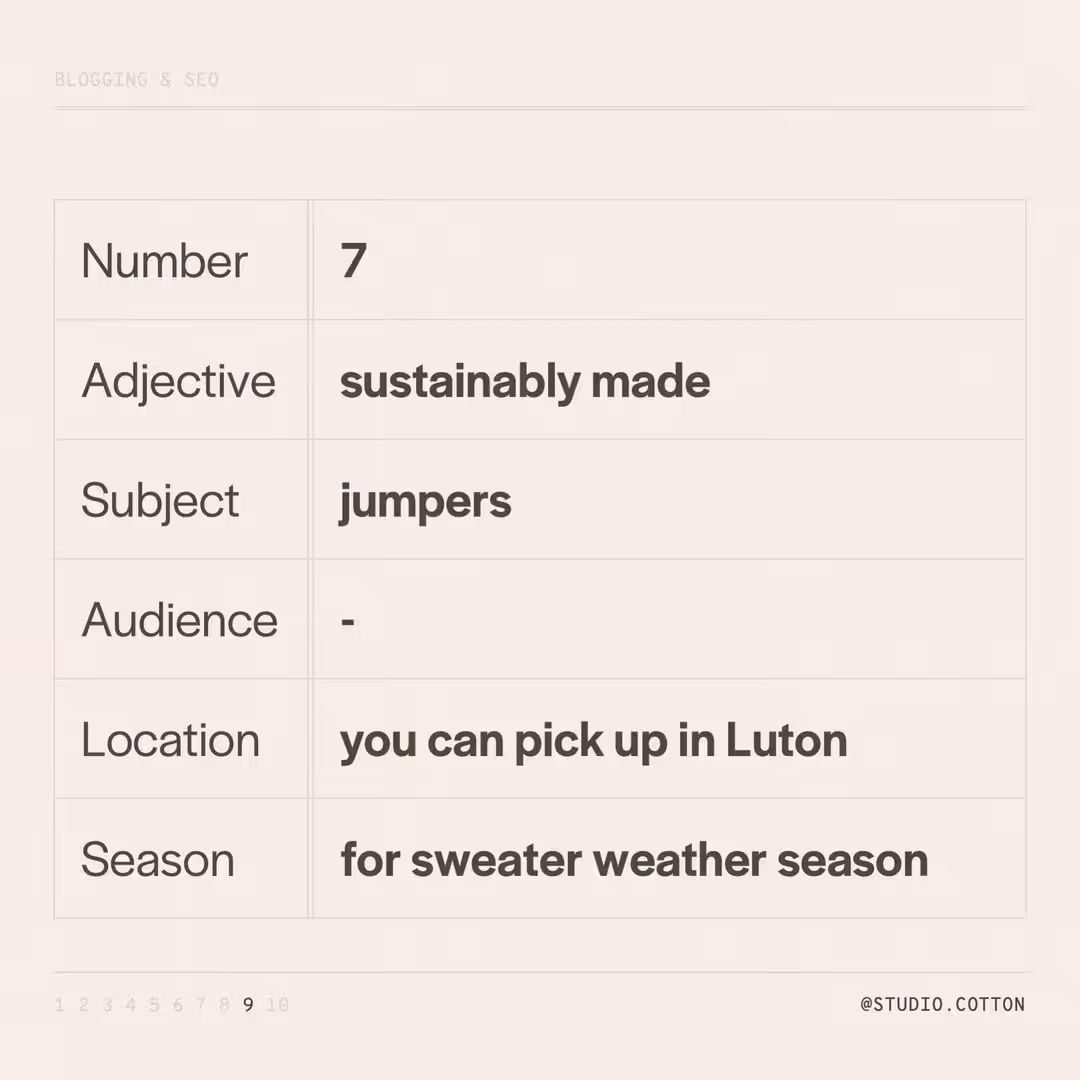
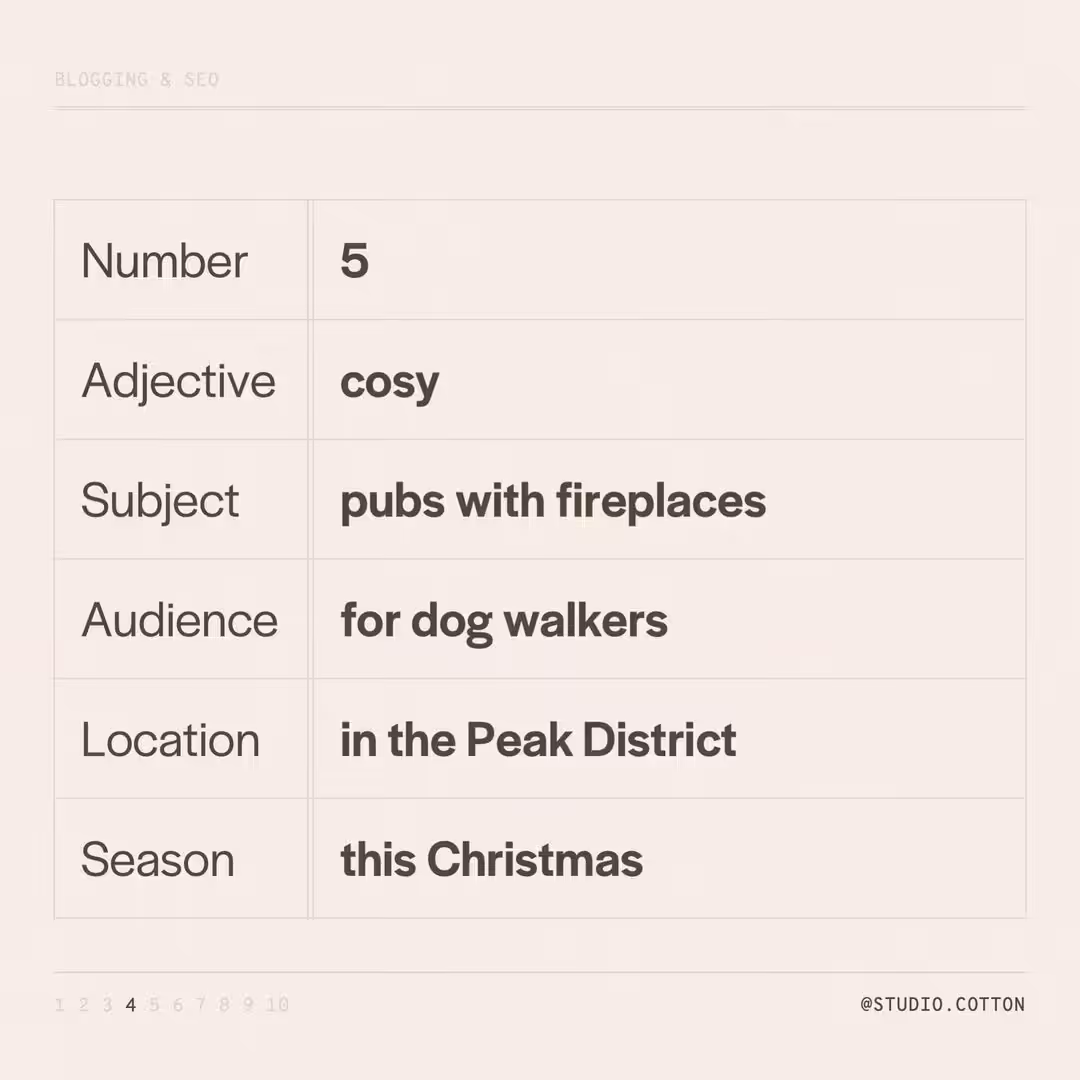
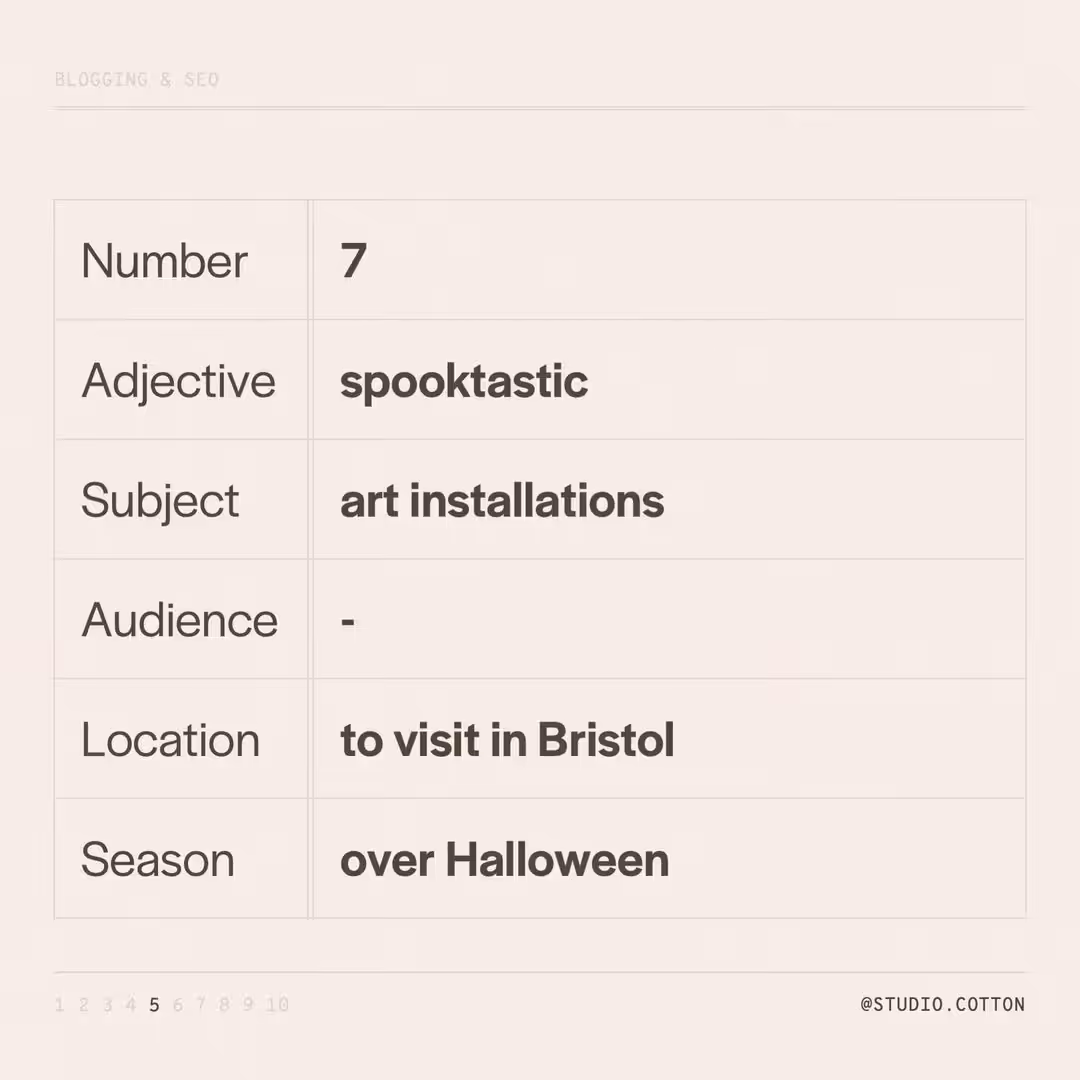
When to ditch the NASALS
You might be thinking, “now wait a minute, if NASALS is so great – why hasn’t this blog’s title been NASALSed?!”. Ok, you got us – we do apply NASALS to the vast majority of our blog articles, but every now and then there’s a better, non-NASALSed fit.
For this article, we’ve chosen to try and match the search phrase “How to write great blog titles”, and we just couldn’t NASALS around that. So don’t be too hard on yourself when you can’t follow our guide – after all it is just a helpful guide, not a set of rules.
Let’s wrap this up my looking at those qualities of a good blog article I shared earlier, and casually dropping in that NASALS magic:
- Communicate value by starting with a Number
- Build a lil buzz with your power word Adjective
- Accurately set expectations of what the blog is about in your Subject
- …and who might benefit from reading it, aka your Audience
- Provide geographical context with a Location
- Tie into what’s happening right now and make it Seasonal
Number. Adjective. Subject. Audience. Location. Season. NASALS.
A last little note: avoid misleading clickbaity titles. If people open your blog post based on the promises of the title and are let down by it, they are unlikely to trust your small business and unlikely to return to your website, let alone become a loyal customer or client.
This blog post started as a quick, swipable guide over on the Studio Cotton Instagram account, so make sure to give us a follow if you like bangin’ website and small business advice.
So next time you’re writing a blog article title for your website, remember to NASALS it.
And as a treat for reading allllllll the way down to the bottom of this blog post, here’s another cute lil kitty pic as a reward.